8 Best App Advertising Platforms for Mobile Apps in 2026
Choosing the right app advertising platforms can affect how efficiently you acquire users, how much you pay for each valuable action, and how far you can scale your app.
The challenge is that no single platform reaches every audience or performs equally well across different app categories and business models.
In this guide, we’ll compare eight of the best app advertising platforms and explain what each offers, who it's best for, and which trade-offs app marketers need to consider.
We'll also look at how a creative platform like Spiral can complement your advertising channels by helping you research opportunities, produce new ads, and learn from campaign performance.
Key takeaways
- Google Ads and Apple Ads capture existing demand
Google reaches users across Search, Google Play, YouTube, and other inventory, while Apple Ads targets people discovering apps in the App Store. Meta, TikTok, and Snapchat are better suited to introducing apps to new audiences through social and visual content. - Creative testing is essential for sustainable app growth
Meta and TikTok depend heavily on fresh, relevant creatives, while platforms such as Google Ads automate asset combinations and delivery. Testing different concepts, hooks, and value propositions helps identify what attracts valuable users. - Set a test budget around measurable outcomes
Minimum spend is only a starting point. Estimate how many installs or downstream conversions you need to evaluate performance, then compare acquisition costs, retention, and incremental value before scaling a new channel. - Use Spiral to make your creative workflow more repeatable
If producing enough effective creative material becomes the bottleneck, Spiral brings ad research, creative generation, performance analysis, and iteration into one workflow, helping teams turn what they learn from campaigns into what they make next.
How we evaluated these app advertising platforms
We assessed the platforms against five key criteria:
- Audience reach and discovery: Where can the platform reach potential users, and does it capture existing demand or help generate new interest?
- Campaign optimization: Can advertisers optimize towards installs, in-app events, purchases, ROAS, or other meaningful business outcomes?
- Creative and testing capabilities: Which ad formats are supported, how much creative flexibility is available, and how easily can advertisers learn which approaches work?
- Accessibility and scalability: How straightforward is campaign setup? Does the platform offer self-serve access, or do advertisers need a sales relationship, specialist support, or a larger budget?
- Reporting and measurement: How much visibility do advertisers get into campaign and creative performance, and how easily can they connect advertising results to downstream user value?
8 best app advertising platforms for mobile apps in 2026
The best app advertising platform for your business depends on your target audience, app category, budget, and growth goals.
Here’s how eight leading platforms compare in 2026:
1. Google Ads
Google Ads is one of the most comprehensive options for app acquisition because its App campaigns can distribute advertising across Google Search, Google Play, YouTube, Discover, and the Google Display Network.
Google automatically optimizes campaigns based on the assets, bids, and conversion goals you provide.
App campaigns can focus on different objectives, including installs, engagement, and pre-registration, making Google useful for apps that want to scale beyond a single advertising environment.
Choose Google Ads if you want to:
- Reach users across Google's major advertising properties
- Capture existing search and app-store demand
- Optimize towards installs or downstream actions
Google combines eligible assets into ads for different placements, so prepare creative material that works across different contexts rather than relying on one hero video.
Google’s published guidance recommends a daily budget of at least 50 times the target CPI for campaigns optimizing towards install volume, or at least 10 times the target cost per action for campaigns optimizing towards in-app actions.
The main trade-off is limited transparency into creative performance. Google provides asset-level metrics and performance ratings, but doesn’t explain why a creative performs well.
Ratings compare assets with others of the same type, while reported metrics can reflect multiple ad combinations rather than isolate an asset’s contribution. This makes it harder for marketers to draw reliable conclusions about which creative concepts drive results and use those insights to guide their next round of testing.
2. Meta Ads
Meta Ads remains a major platform for mobile user acquisition, especially for consumer apps that can communicate their value visually.
App marketers commonly use Advantage+ app campaigns, Meta's automated app advertising product. These campaigns use machine learning to optimize delivery towards the advertiser's chosen app-related outcomes, using conversion data to find people likely to install or take further actions.
Advertising across Facebook and Instagram gives app marketers access to large audiences and a range of creative placements.
When running Meta campaigns, creative diversity is an important consideration. Meta’s delivery system uses similarities between creative assets to help determine which ads to retrieve and show to different audiences.
If several ads share essentially the same visuals, hook, and message, changing only a background color or headline doesn’t add much meaningful variety. The ads may still be separate uploads, but they don’t necessarily give the algorithm different creative approaches to work with.
Choose Meta Ads if you want to:
- Reach broad consumer audiences across Facebook and Instagram
- Test multiple creative angles and formats
- Optimize towards actions beyond the initial install
When it comes to budgeting, teams should plan for approximately $30,000 per month or more if Meta is intended to be a substantial acquisition channel. The exact amount depends on the CPI or CPA, the number of audiences and creative concepts you want to test, and whether you’re optimizing for installs or deeper-funnel events.
One potential catch is that Meta is primarily suited to demand generation rather than capturing existing search intent.
Users typically encounter an app while browsing social content rather than actively looking for one, so advertisers need material that communicates the app's value quickly enough to turn passive attention into interest.
3. TikTok Ads
TikTok is particularly relevant for apps that can demonstrate their value quickly through short-form video.
Its App Promotion objective supports both app installs and app retargeting, with optimization options including clicks, installs, in-app events, and value.
That makes TikTok more than an awareness channel. Campaigns can optimize for downstream actions rather than driving traffic to an app store listing.
TikTok also supports newer performance-oriented capabilities. For example, its Value-Based Optimization can target users more likely to generate higher purchase or advertising revenue when an advertiser meets the eligibility requirements.
Creative material is particularly important here. Ads need to feel native to the platform, so demonstrations, creator-style videos, relatable hooks, and strong opening seconds all play an important role.
Choose TikTok Ads if you want to:
- Put short-form video at the center of your acquisition strategy
- Test creator-style demonstrations and hooks
- Optimize campaigns towards valuable in-app actions
TikTok prioritizes vertical video, creator-style demonstrations, relatable scenarios, voiceovers, and strong opening hooks.
TikTok's published Ads Manager minimums are low enough to make small campaigns technically possible, but minimum spend isn’t the same as a useful performance test.
A possible hurdle is that TikTok's format is more demanding from a production perspective.
Effective ads often depend on fast-paced, platform-native video, so teams that mainly produce static or highly polished traditional advertising may need to adapt their creative process to get the most from the channel.
4. Apple Ads
Apple Ads helps app marketers reach users directly within the App Store. It’s particularly valuable for iOS apps because ads can appear while people search for apps, browse recommendations, or explore related product pages.
Apple Ads offers four placements:
- Today tab: Promotes an app on the App Store's main discovery page
- Search tab: Reaches users before they enter a specific search query
- Search results: Places an ad among results for relevant searches
- Product pages: Reaches users browsing other apps' product pages
This gives advertisers more options than keyword advertising alone. Apple Ads also expanded search results inventory in 2026, introducing multiple sponsored positions rather than relying on a single top position.
That creates additional opportunities for advertisers, but also increases competition for prominent placements and high-intent searches, because advertisers can’t bid for a specific sponsored position.
Choose Apple Ads if you want to:
- Acquire users who are already searching the App Store
- Capture demand around relevant search terms
- Focus your acquisition strategy on the Apple ecosystem
Apple Ads offers a flexible entry point without a universal minimum campaign spend. Start with a focused test of relevant keywords, markets, or placements, then assess tap-through rate, install conversion rate, and the cost of acquiring users who remain valuable.
The platform’s main limitation is the App Store demand ceiling. Increasing spend can’t generate more organic search volume, particularly for apps with narrow categories or limited relevant keywords.
That’s why app marketers usually have to pair Apple Ads with social platforms like Meta and TikTok to reach people who aren’t already looking for the app.
5. AppLovin
AppLovin is a mobile advertising platform that helps advertisers acquire users through automated campaign optimization across mobile app inventory. Although historically associated with mobile games, AppLovin opened its self-serve advertising platform to all businesses in June 2026, expanding access for non-gaming apps.
Its main difference from platforms like Meta and TikTok is its focus on performance-driven acquisition across mobile inventory rather than social feeds.
Advertisers can optimize campaigns towards measurable outcomes, including in-app events and ROAS.
Choose AppLovin if you want to:
- Expand acquisition beyond major social advertising platforms
- Optimize campaigns towards purchases or other valuable in-app actions
- Test an additional mobile advertising channel after establishing performance on your existing channels
AppLovin supports mobile ad experiences such as full-screen video and interactive ads. Prepare assets that communicate your app's value quickly and suit the placements available for your campaign.
AppLovin's self-serve access lets more advertisers explore the platform, but access alone doesn't guarantee a small test will yield useful results.
Set your budget according to your target acquisition cost and the number of conversions you need to evaluate. Before launch, confirm current campaign requirements and any minimum spend applicable to your account.
The main consideration is incrementality. Strong reported results don't automatically mean AppLovin is bringing in additional users. Compare its performance with your existing channels to determine whether it improves overall acquisition rather than taking credit for conversions that would’ve happened anyway.
6. Moloco
Moloco is an AI-powered performance advertising platform that helps app marketers acquire and re-engage users across mobile app inventory. Its machine-learning technology uses conversion signals and other data to optimize campaigns towards business outcomes such as purchases, subscriptions, and ROAS.
Unlike Meta and TikTok, which provide access to their own social audiences, Moloco focuses on performance advertising across third-party app inventory. This makes it more relevant to growth teams looking to expand beyond established channels than to advertisers running their first acquisition campaigns.
Choose Moloco if you want to:
- Expand acquisition beyond major advertising platforms
- Optimize towards purchases, subscriptions, and other deeper-funnel events
- Use reliable first-party conversion data to support automated bidding
Moloco is best suited to established growth teams already spending around $300,000 or more per month across other advertising channels. This is a strategic benchmark for deciding when to evaluate the platform, not an official Moloco minimum. At this level, teams are more likely to have reliable conversion data, proven acquisition economics, and enough budget to test an additional channel without undermining existing campaigns.
The trade-off is that data quality becomes especially important. Teams need reliable first-party data and meaningful conversion signals for automated optimization to work effectively, making Moloco more suited to data-mature growth teams than very early-stage apps.
7. Liftoff
Liftoff is a mobile growth platform focused on user acquisition and re-engagement. It helps app businesses reach potential users through mobile advertising inventory and optimize campaigns towards performance goals.
Its role differs from social platforms such as Meta and TikTok. Rather than relying on social-feed discovery, Liftoff offers another route to acquiring users through mobile-focused advertising. It may be worth evaluating when an app has established acquisition performance and wants to diversify its channel mix.
Choose Liftoff if you want to:
- Add a mobile-specialized acquisition channel
- Run campaigns focused on measurable performance
- Re-engage existing app users
Liftoff supports mobile advertising formats, including video, but it doesn’t publish a single monthly budget figure that applies to every advertiser and campaign.
Before committing, ask about minimum spend, expected delivery volume, conversion requirements, and the budget needed to evaluate results.
The main drawback is the level of transparency and control available for the particular campaign and product you're evaluating. Before committing, check which optimization objectives, reporting options, measurement integrations, and inventory controls are available for your setup.
It’s also important to measure Liftoff against the rest of your acquisition mix. A new channel should demonstrate that it brings incremental users or improves overall acquisition economics, rather than taking credit for conversions that other channels would’ve generated.
8. Snapchat Ads
Snapchat Ads helps app marketers reach users through a visual, mobile-first advertising environment. It can be a useful discovery channel for consumer apps whose audiences align with Snapchat's user base and whose value can be communicated through short, engaging creative.
Unlike Apple Ads, which captures demand within the App Store, Snapchat introduces apps to people while they browse content. It offers another option for reaching new audiences beyond Meta and TikTok, although the best fit depends on your audience and creative approach.
Choose Snapchat Ads if you want to:
- Reach relevant audiences through a mobile-first discovery channel
- Test vertical creative outside Meta and TikTok
- Drive app installs and optimize towards supported in-app actions
Snapchat supports vertical 9:16 video and image ads designed for full-screen viewing. Short demonstrations, strong opening hooks, concise on-screen messaging, and clear calls to action suit this format. Story Ads let you present multiple assets in sequence, while augmented-reality Lenses support campaigns built around interactive experiences.
The platform's minimum daily budget is $5, with Snapchat recommending around $20 to $50 per day to support the initial campaign exploration phase. Although these amounts make small-scale testing possible, they may not generate enough installs to assess user quality. Meaningful evaluation depends on the target CPI and the volume of conversions needed to measure downstream outcomes.
The main consideration is audience fit. A low-cost campaign won't be valuable if it attracts users who don't engage with the app. Start with a focused test, then compare install conversion, retention, and other relevant outcomes with your existing channels before increasing spend.
How Spiral can help you get more from your app advertising
Choosing the right advertising platforms is only part of the acquisition equation. Once your campaigns are running, you also need a way to keep your creative pipeline moving and turn what you learn from your campaigns into your next ads.
That's where Spiral fits.
Rather than replacing platforms such as Google Ads, Meta Ads, TikTok Ads, or Apple Ads, Spiral works alongside them as a creative and growth platform for app advertising.
With Spiral, growth teams can:
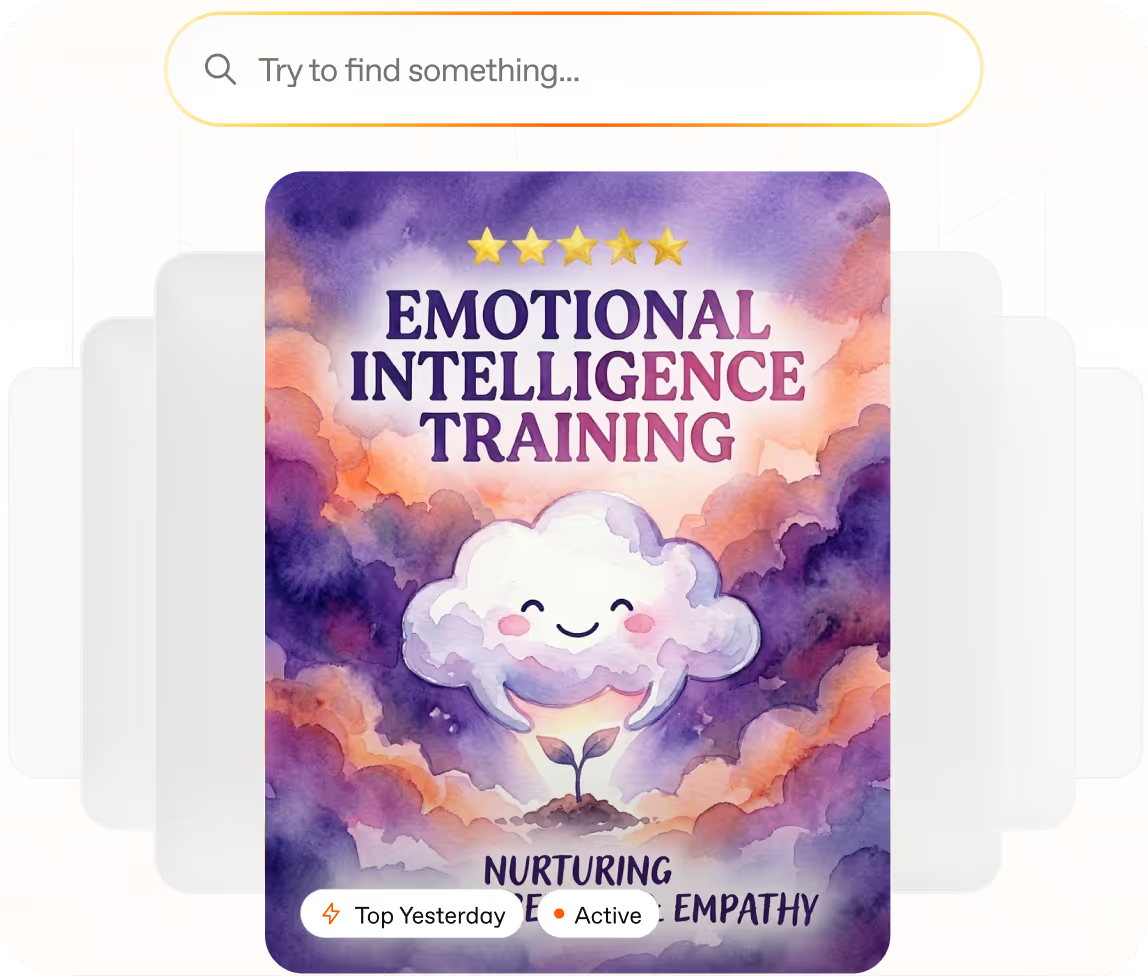
- Research competitor ads and creative trends: Explore a visual library of other apps’ ads to identify recurring hooks, visual styles, messaging angles, and concepts. Use these insights to understand what other advertisers are testing and identify opportunities for your own campaigns.
- Develop and iterate on ad creatives: Turn research into new concepts using AI-generated ads and video variations. Remix existing creatives, experiment with different characters and messaging, and explore alternative executions of an idea rather than relying on a single version.
- Adapt creatives for different markets: Localize advertising assets for different languages and audiences, making it easier to explore how creative concepts perform across markets without rebuilding every asset from scratch.
- Connect creative decisions to campaign performance: Bring advertising performance data into the creative workflow to evaluate which concepts and variations deliver results. Use these insights to identify promising directions, refine underperforming creatives, and prioritize the next round of tests.
- Move from creative development to campaign execution: Launch Meta campaigns directly from Spiral, connecting the process of developing ad creatives with putting them into market and evaluating their performance.
Ready to turn your data into your next winning ad? Get started with Spiral to see how you can turn creative insights into more effective app advertising campaigns.
FAQ
What monthly budget do you need to advertise a mobile app?
It depends on the platform, target CPI, conversion goals, and the amount of data needed to evaluate results. You can test Apple Ads and Snapchat with relatively small budgets, though meaningful performance testing may require more than the platforms' minimums.
Meta is better suited to a larger allocation, around $30,000 per month or more as a planning benchmark in this guide. Moloco is positioned for established teams spending around $300,000 or more per month across other channels.
Should a mobile app use Meta Ads or TikTok Ads?
Choose based on audience fit and creative capability. Meta offers a broad mix of placements and supports varied image and video concepts.
TikTok is particularly suited to vertical, short-form video and creator-style demonstrations. If your budget permits, test both with comparable conversion goals and evaluate the quality of the users they acquire rather than comparing CPI alone.
When should an app add a performance advertising network?
Consider adding a specialist network once your main acquisition channels have demonstrated repeatable results, your conversion tracking is reliable, and you can fund a separate test.
Platforms such as AppLovin, Liftoff, and Moloco should be evaluated on incremental acquisition, downstream user value, and the amount of campaign transparency and control available.
Which ad formats should a mobile app prepare first?
Start with formats that fit your priority channel. For Meta, prepare varied video and static concepts for different placements. For TikTok and Snapchat, prioritize vertical video with a clear opening hook and concise value proposition.
For Google App campaigns, supply a diverse mix of eligible text, image, and video assets. For Apple Ads, focus on the relevance and quality of your App Store product page and any custom product pages you use.
How do you know whether a new advertising channel is worth scaling?
Assess the channel against a predefined target and compare the users it acquires with your existing acquisition mix.
Look beyond installs to relevant events, retention, revenue, ROAS, and payback period. Where possible, use incrementality testing to understand whether the channel adds new valuable users instead of claiming conversions that would’ve happened through other campaigns.